
 English
 Español
 中文简体
中文简体Introduction
In the field of textile innovation, polyester coral velvet fabric has emerged as a material that perfectly balances softness, warmth, and practicality. Known for its plush surface and delicate texture, this fabric is widely used in home textiles and winter apparel. However, what truly distinguishes polyester coral velvet fabric is its ability to enhance thermal comfort—a property that determines how effectively a fabric maintains warmth while regulating body temperature.
The Concept of Thermal Comfort in Fabrics
Thermal comfort refers to the sensation of warmth and temperature balance perceived by the human body when wearing or being in contact with a fabric. It depends on several parameters such as heat retention, air permeability, moisture regulation, and surface texture. A well-designed thermal fabric must retain sufficient heat in cold environments without causing overheating or dampness. Polyester coral velvet fabric meets these criteria through its unique microstructure and fiber composition, offering an optimal thermal balance suitable for both clothing and interior textile applications.
Structural Composition of Polyester Coral Velvet Fabric
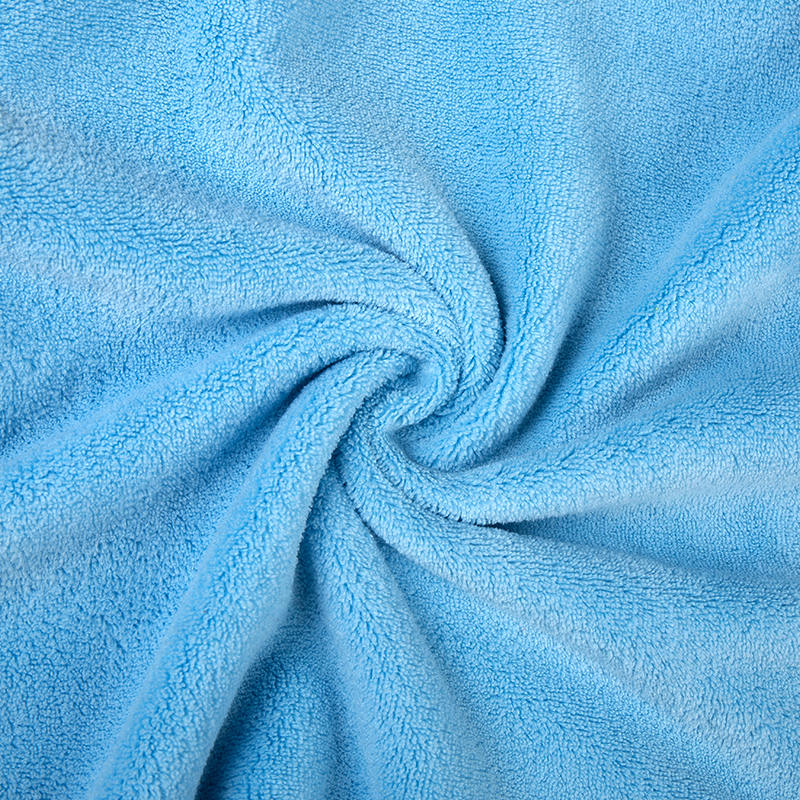
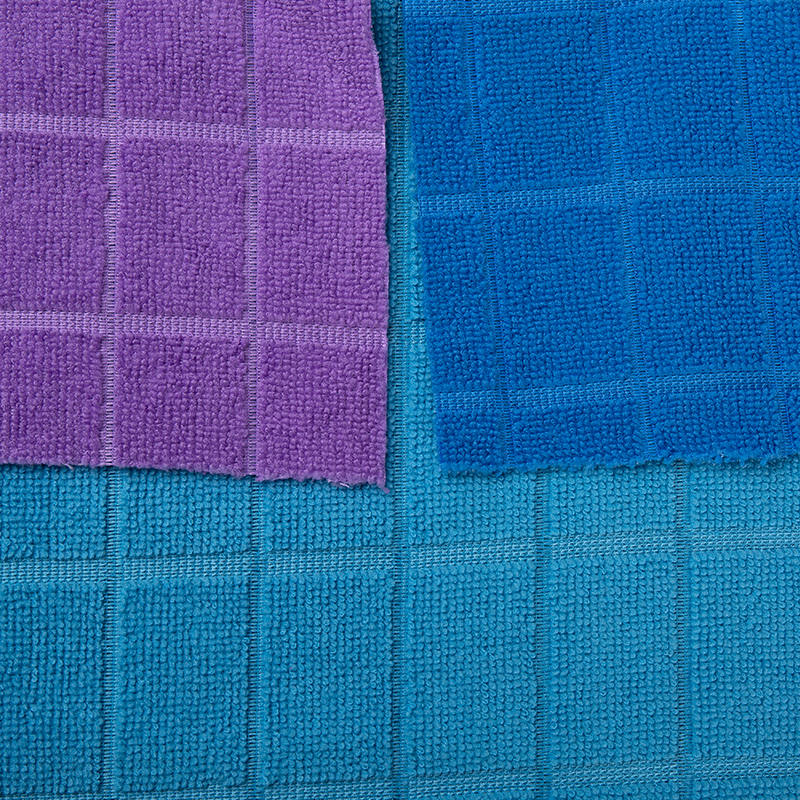
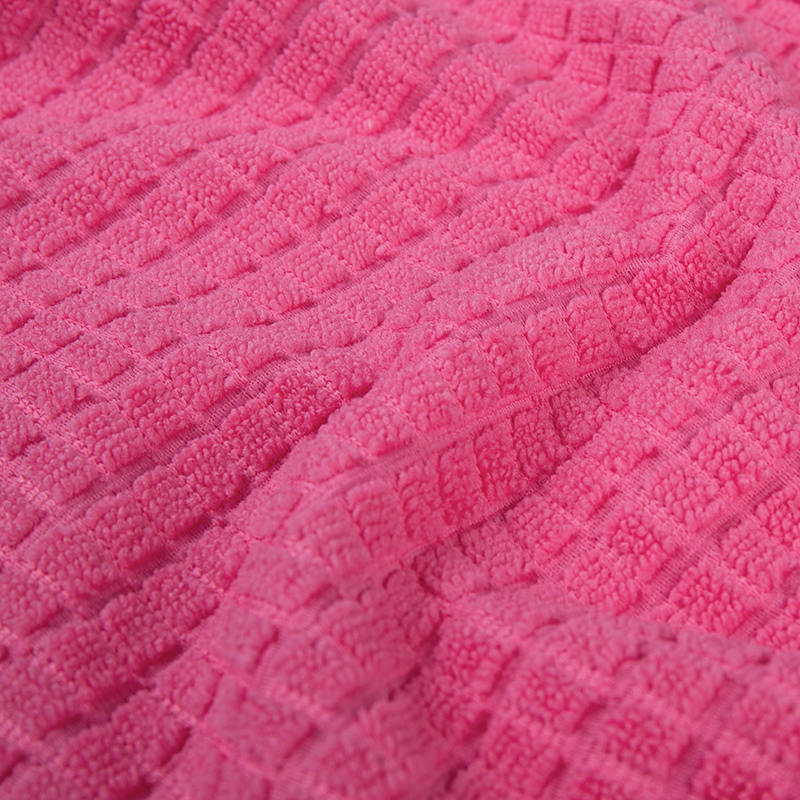
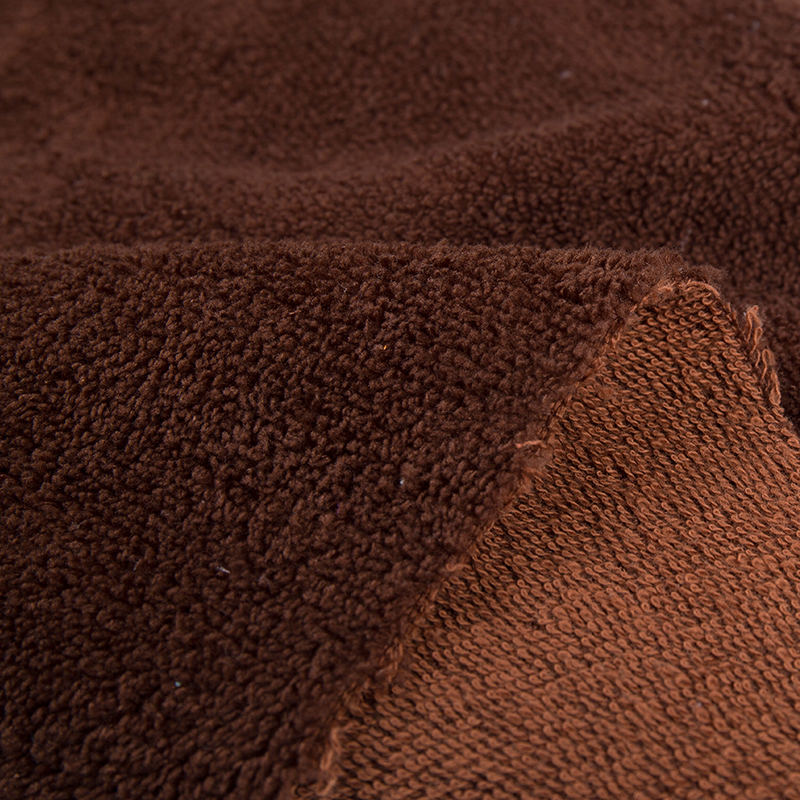
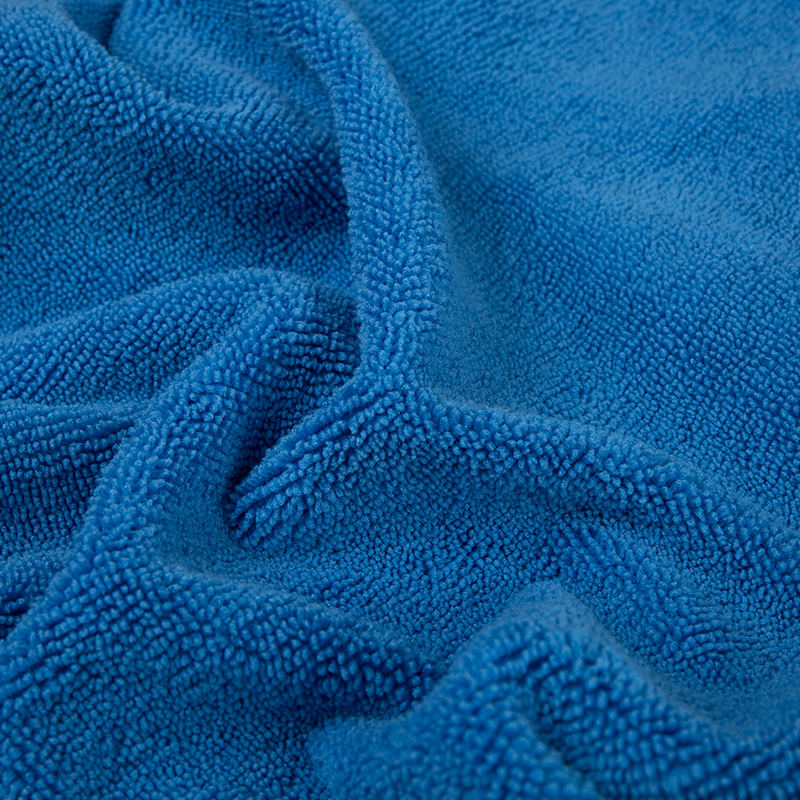
The thermal performance of polyester coral velvet fabric is rooted in its fiber structure and surface morphology. It is made from fine-denier polyester fibers that are brushed and raised to form a dense, coral-like texture. This structure creates air-trapping layers that improve insulation while maintaining lightweight comfort.
| Structural Feature | Function | Thermal Impact |
|---|---|---|
| Fine polyester fibers | Improve softness and flexibility | Reduces conductive heat loss |
| Brushed velvet surface | Creates dense air pockets | Enhances thermal insulation |
| Double-sided pile design | Maximizes surface warmth | Provides even temperature retention |
| Micro-gap fiber spacing | Allows airflow control | Balances breathability and warmth |
The interplay between these elements ensures that the fabric captures body heat effectively without restricting ventilation.
Mechanism of Heat Retention
Polyester coral velvet fabric enhances thermal comfort primarily through air entrapment. The raised pile structure traps numerous micro-layers of still air between the fibers, which act as natural insulators. Because air has a low thermal conductivity, these layers minimize the loss of body heat to the surrounding environment.
Additionally, polyester fibers themselves have low moisture absorption but high thermal stability. This allows the fabric to retain warmth even under humid conditions, unlike natural fibers that may lose insulation when damp. The result is a consistent thermal barrier that maintains comfort across varying indoor and outdoor temperatures.
Surface Texture and Tactile Warmth
Beyond thermal insulation, the tactile quality of polyester coral velvet fabric significantly contributes to perceived warmth. The ultra-soft surface minimizes skin friction, creating a smooth contact area that feels warm almost instantly. Unlike coarse fabrics that create thermal gaps, coral velvet maintains a uniform contact layer, enhancing both comfort and sensory satisfaction.
The fabric’s velvety finish also reflects radiant heat back toward the body, improving overall heat conservation. This subtle reflective property further distinguishes polyester coral velvet fabric from conventional fleece materials that may lose warmth through surface diffusion.
Moisture Regulation and Breathability
While warmth is critical, maintaining a dry microclimate between the fabric and skin is equally essential for thermal comfort. Polyester coral velvet fabric achieves this through its moisture transport mechanism. Though polyester has low absorbency, the micro-gap network created during the brushing process promotes capillary wicking—moving moisture away from the body and allowing it to evaporate at the surface.
| Functional Property | Description | Comfort Effect |
|---|---|---|
| Moisture wicking | Transfers sweat to outer layer | Keeps skin dry |
| Quick drying | Rapid moisture evaporation | Prevents clammy feeling |
| Moderate breathability | Balanced airflow | Avoids overheating |
| Stable insulation | Maintains warmth in changing humidity | Consistent comfort |
This balance between heat retention and vapor transmission makes the material suitable for prolonged wear and interior use, ensuring thermal equilibrium even in fluctuating environments.
Durability and Maintenance Performance
The long-term thermal efficiency of a fabric depends on how well it maintains its structure after repeated use and washing. Polyester coral velvet fabric offers high resilience due to its synthetic fiber base and dense pile construction. The fibers resist compression, allowing the air pockets to remain intact over time. Moreover, the fabric is resistant to pilling and deformation, which helps preserve its softness and warmth retention properties.
The easy-care nature of polyester also ensures that the thermal characteristics are not compromised by frequent washing. It dries quickly, retains shape, and exhibits excellent color fastness, making it ideal for practical and everyday textile applications.
Comparison with Other Thermal Fabrics
To better understand the advantages of polyester coral velvet fabric, it is useful to compare its key parameters with other commonly used thermal materials:
| Fabric Type | Fiber Composition | Warmth Retention | Breathability | Moisture Absorption | Maintenance |
|---|---|---|---|---|---|
| Polyester Coral Velvet | Fine polyester pile | Excellent | Moderate | Low | Easy |
| Cotton Fleece | Cotton-based | Good | High | High | Moderate |
| Wool Blend | Natural/synthetic mix | Very high | Low | High | Complex |
| Polar Fleece | Polyester knit | Good | Moderate | Low | Easy |
The comparison reveals that polyester coral velvet fabric provides the best balance between warmth, manageability, and moisture control, particularly for applications requiring softness and sustained insulation.
Applications in Thermal Textiles
Due to its structural and comfort-related advantages, polyester coral velvet fabric is widely used in products designed for warmth retention. Its versatility allows adaptation across various textile sectors including:
Home textiles – blankets, bed throws, pillow covers
Apparel – winter robes, loungewear, outerwear linings
Decorative uses – sofa covers, cushion fabrics
Baby and health textiles – soft wraps, thermal bedding
Factories specializing in this material, such as a professional polyester coral velvet fabric factory, often focus on optimizing pile density and finishing processes to achieve superior warmth and tactile quality while maintaining fabric stability.
Sustainable Aspects and Future Trends
The growing focus on energy-efficient and sustainable materials is driving innovation in polyester coral velvet fabric production. Factories are increasingly adopting recycled polyester sources and low-energy dyeing processes to reduce environmental impact. Moreover, new fiber modifications aim to enhance the natural insulation of polyester while improving biodegradability and breathability.
Future developments are expected to integrate functional coatings, such as moisture-regulating films or antibacterial finishes, further elevating thermal comfort and hygiene without compromising softness.
Conclusion
Polyester coral velvet fabric exemplifies how fiber engineering and surface design can work together to achieve superior thermal comfort. Its fine pile structure, efficient air entrapment, and moisture management capabilities make it a preferred material for both home and apparel textiles. Through continuous innovation in fiber processing and finishing, manufacturers and polyester coral velvet fabric factories are enhancing the balance between warmth, softness, and sustainability—ensuring that this plush material continues to define modern standards of comfort and performance in the textile industry.