
 English
 Español
 中文简体
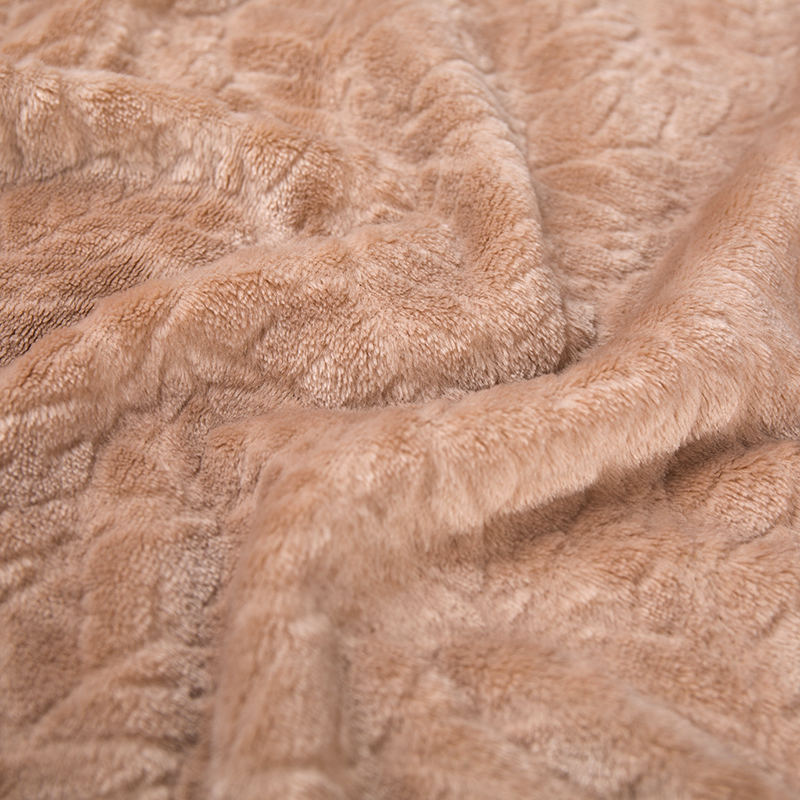
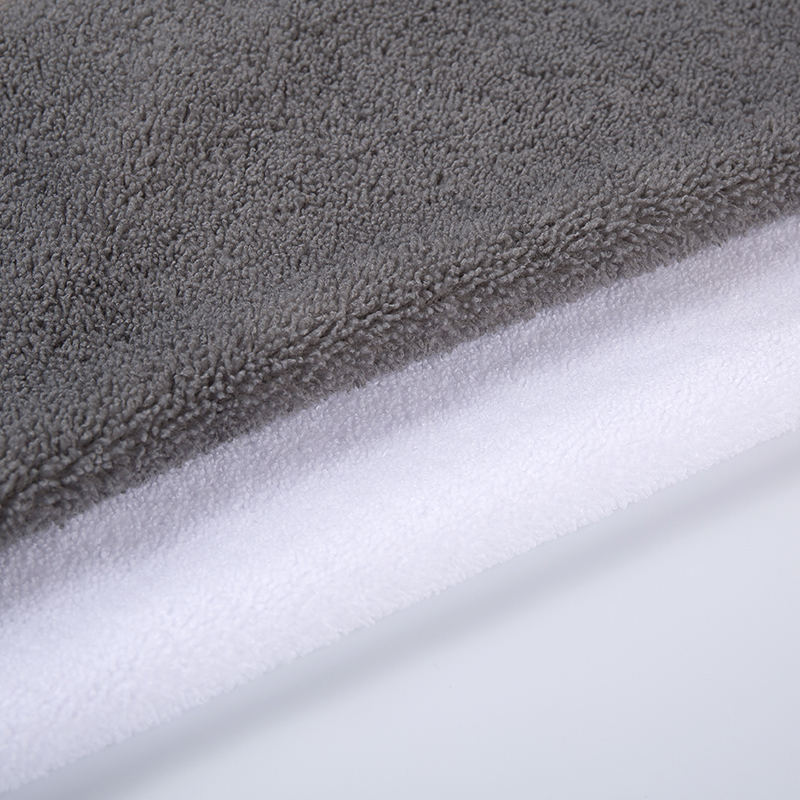
中文简体Polyester terry cloth is a highly versatile and durable fabric commonly used in towels, bathrobes, sportswear, and upholstery. Known for its soft texture and quick-drying qualities, it is favored in various industries where absorbency and durability are key concerns.
Introduction to Polyester Terry Cloth
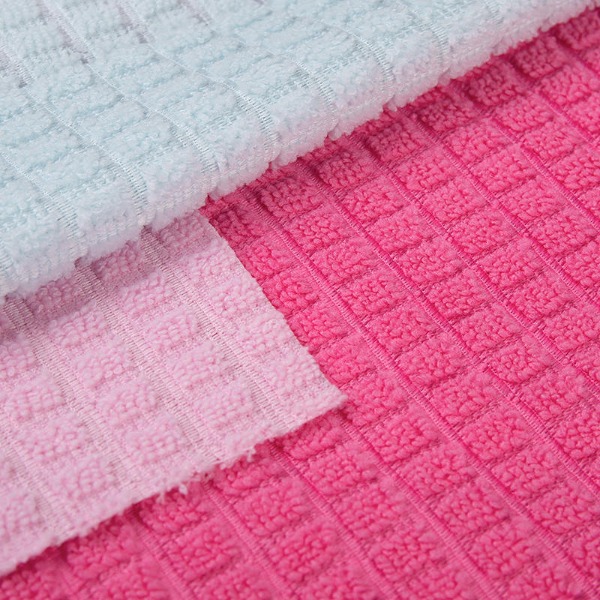
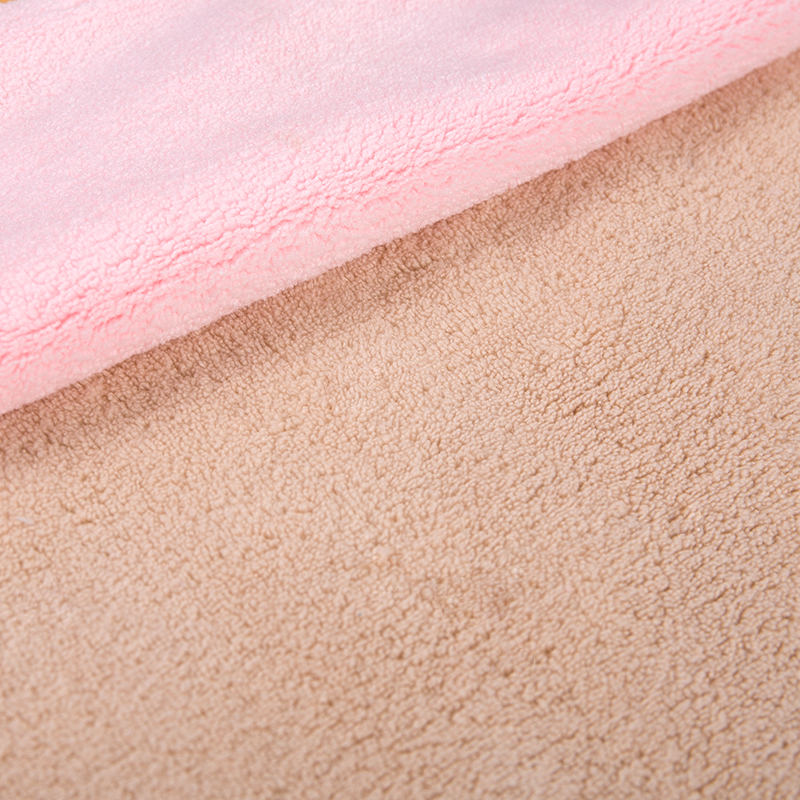
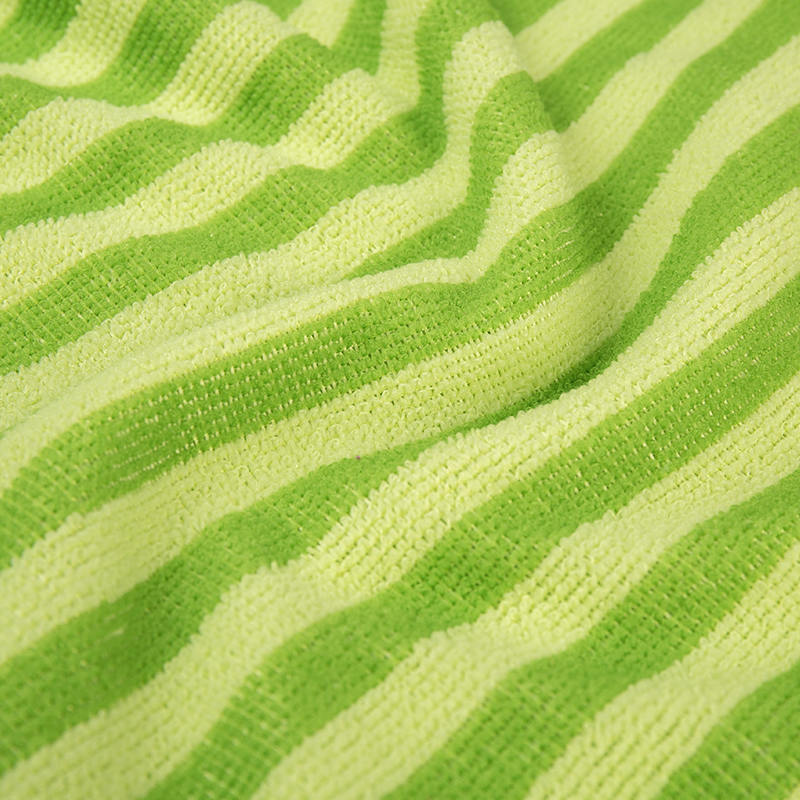
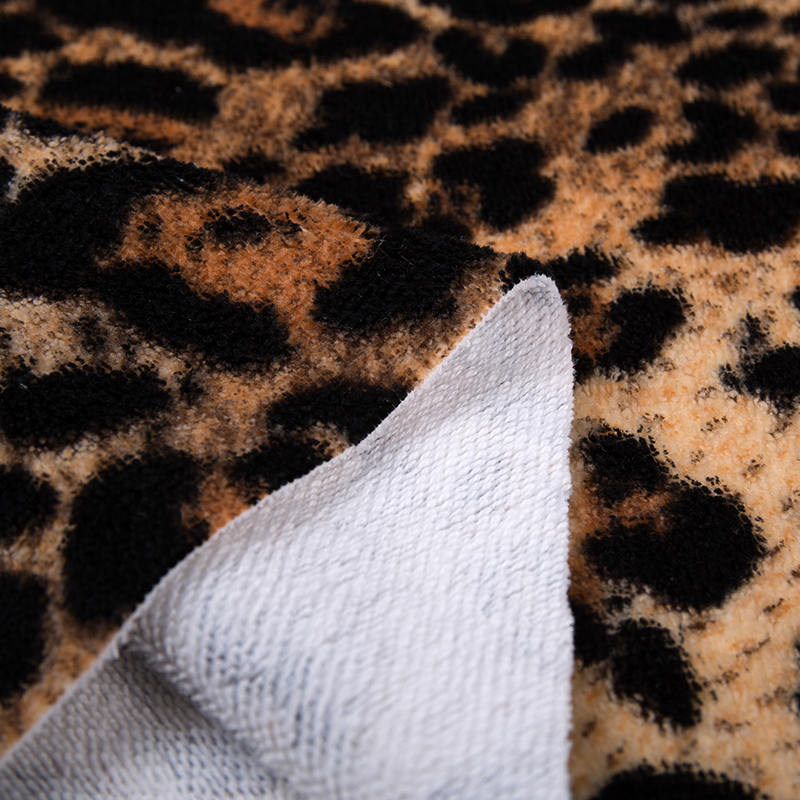
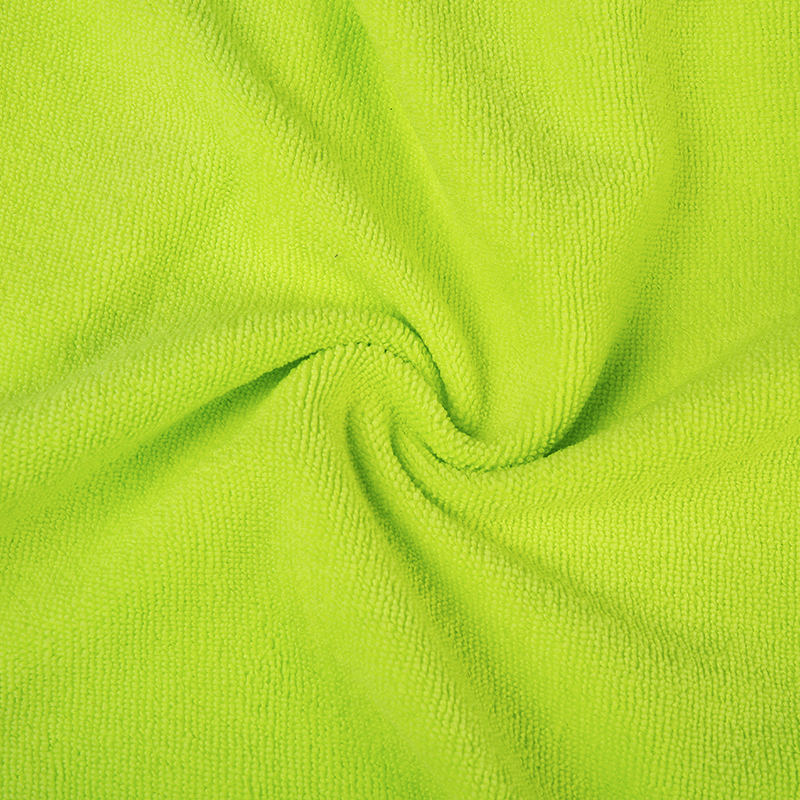
Polyester terry cloth is made from polyester fibers and features a unique looped weave that enhances its absorbency. The loops in the fabric increase its surface area, allowing it to trap moisture effectively. The fabric is often blended with cotton or used alone, with the main purpose of enhancing comfort, absorption, and longevity.
Polyester itself is a synthetic fiber known for its resistance to wear and tear, moisture-wicking properties, and ease of care. When woven into terry cloth, it retains these properties while offering additional benefits like improved durability, quick drying, and enhanced resistance to wrinkles and shrinking.
Durability of Polyester Terry Cloth
Durability is one of the main reasons polyester terry cloth is a preferred material in towels and other high-use products. The polyester fibers used in terry cloth are inherently strong, which means the fabric can withstand frequent washing and use without significant degradation. Here are some key durability features of polyester terry cloth:
Resistance to Wear and Tear
Polyester fibers are known for their robustness and resistance to abrasion. This makes polyester terry cloth ideal for heavy-duty use in applications where the fabric will be subjected to constant friction, such as in gym towels or bathrobes. Unlike natural fibers like cotton, which can wear out over time, polyester remains intact even after multiple washes and high-stress usage.
Resistance to Shrinkage
Polyester has low shrinkage properties, meaning that polyester terry cloth maintains its shape even after multiple wash cycles. This is a crucial benefit for consumers looking for fabrics that won’t lose their original size and fit. In contrast, cotton terry cloth is more prone to shrinking, particularly when subjected to high heat during washing or drying.
Fade Resistance
Polyester is naturally resistant to fading, a significant advantage for products that are exposed to direct sunlight or regular washing. Polyester terry cloth does not easily lose its color, keeping it looking fresh and vibrant longer than other fabrics, such as cotton, that may fade more quickly.
Mold and Mildew Resistance
Polyester terry cloth is less susceptible to mold and mildew growth, especially when compared to cotton. The synthetic nature of polyester makes it less prone to absorbing moisture over long periods, reducing the likelihood of mold or mildew accumulation in environments where humidity is high, such as in bathrooms or gym bags.
Absorbency of Polyester Terry Cloth
Absorbency is one of the most critical performance factors for terry cloth fabrics. The looped structure of polyester terry cloth enhances its ability to absorb moisture, making it ideal for towels and bathrobes. However, when compared to natural fibers like cotton, polyester terry cloth may have some differences in absorbency.
Water Absorbency
Polyester terry cloth is reasonably absorbent, thanks to its looped weave, which increases its surface area. While polyester itself does not absorb moisture as efficiently as cotton, it can still hold a significant amount of water due to the terry weave structure. Blends of polyester and cotton are often used to strike a balance between the absorbency of cotton and the durability of polyester.
Quick Drying
One of the key benefits of polyester terry cloth is its ability to dry quickly. Polyester is naturally moisture-wicking, meaning it draws moisture away from the skin and allows it to evaporate faster than natural fibers. This makes polyester terry cloth ideal for products that need to dry rapidly, such as gym towels, sportswear, and beach towels.
Blend of Polyester and Cotton for Enhanced Absorbency
While pure polyester terry cloth has some absorbent properties, the addition of cotton can enhance the fabric’s moisture-absorbing ability. Cotton fibers are naturally more absorbent than polyester, which means that blends of polyester and cotton terry cloth can offer the best of both worlds—durability, quick drying, and higher absorbency.
Performance Comparison: Polyester Terry Cloth vs. Cotton Terry Cloth
To better understand how polyester terry cloth performs, it’s essential to compare it with one of its most direct competitors—cotton terry cloth. The comparison can be made based on several factors such as durability, absorbency, drying time, and care requirements.
| Attribute | Polyester Terry Cloth | Cotton Terry Cloth |
|---|---|---|
| Durability | Highly durable, resistant to wear, tear, and shrinking | Less durable, prone to wear and shrinkage over time |
| Absorbency | Moderate absorbency, especially in blends | Highly absorbent, ideal for moisture retention |
| Drying Time | Quick drying due to moisture-wicking properties | Slower drying, retains moisture longer |
| Maintenance | Resistant to wrinkles, shrinking, and fading | Prone to shrinkage and fading, requires more care |
| Mold and Mildew Resistance | Naturally resistant to mold and mildew | More prone to mold and mildew in humid conditions |
As the table shows, polyester terry cloth tends to excel in durability and drying speed, while cotton terry cloth offers superior absorbency. Blending the two materials can provide a product that maximizes both durability and absorbency.
Applications of Polyester Terry Cloth
Due to its durability and absorbency, polyester terry cloth is used in a wide range of applications. Some of the most common uses include:
- Towels: Polyester terry cloth is a popular material for bath towels, hand towels, and beach towels due to its quick-drying ability and resistance to fading.
- Sportswear: Many sportswear items, such as sweatbands, gym towels, and workout clothes, use polyester terry cloth for its moisture-wicking and quick-drying properties.
- Upholstery: In furniture, polyester terry cloth is often used for upholstery fabric because of its durability and resistance to staining and wear.
- Bathrobes: Polyester terry cloth robes are favored for their comfort, durability, and ability to dry quickly.
Conclusion
Polyester terry cloth strikes an excellent balance between durability and absorbency, making it suitable for a variety of applications. While it may not absorb moisture as efficiently as cotton, its quick-drying capabilities, resistance to wear and tear, and low maintenance make it a popular choice in industries where longevity is essential. For those seeking the perfect combination of comfort, durability, and ease of care, polyester terry cloth offers a reliable solution.
FAQ
1. How does polyester terry cloth compare to cotton terry cloth in terms of absorbency?
Polyester terry cloth offers moderate absorbency, but cotton terry cloth tends to be more absorbent overall. Blending polyester with cotton enhances both fabrics’ properties, providing a balanced absorbency.
2. Is polyester terry cloth suitable for bath towels?
Yes, polyester terry cloth is suitable for bath towels. While it may not absorb as much moisture as cotton, its quick-drying ability and durability make it an excellent option for towels.
3. Does polyester terry cloth shrink after washing?
No, polyester terry cloth is resistant to shrinking, which makes it more durable and longer-lasting compared to natural fibers like cotton.
4. How can I care for polyester terry cloth?
Polyester terry cloth is easy to care for and can be machine-washed. It resists wrinkles and fading, and it dries quickly, reducing the need for high-maintenance care.
5. Can polyester terry cloth be used for upholstery?
Yes, polyester terry cloth is commonly used in upholstery applications due to its durability, resistance to stains, and overall longevity.