
 English
 Español
 中文简体
中文简体Introduction
The home decor industry has experienced continuous growth, and one of the driving forces behind this expansion is the innovative use of textile fabrics printing. Textile fabrics printing has become an essential technique in enhancing the aesthetic appeal, functionality, and uniqueness of home decor products. From curtains and cushions to bed linens and upholstery, printed fabrics are increasingly being used to create personalized, stylish, and contemporary living spaces.
The Growing Popularity of Textile Fabrics in Home Decor
Textile fabrics have been an integral part of home decor for centuries. With their wide range of colors, patterns, and textures, fabrics have the ability to transform a room’s atmosphere and create a cozy, inviting environment. Printed fabrics, in particular, allow designers and homeowners to add custom touches that reflect individual style preferences.
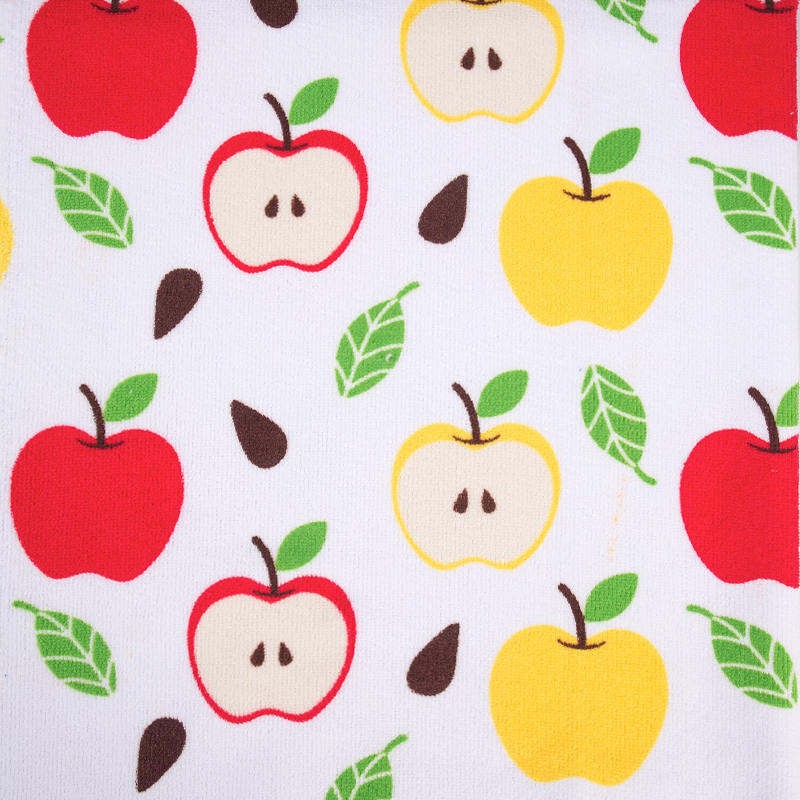
Textile fabrics printing, as a process, involves transferring a design onto a fabric surface through various methods, including screen printing, digital printing, and heat transfer. This flexibility in design creation has contributed to its rise in the home decor sector. Fabric printers today are capable of printing on a variety of textiles, such as cotton, linen, polyester, and velvet, enabling the production of textiles suitable for both functional and decorative purposes.
Techniques in Textile Fabrics Printing
The technology behind textile fabrics printing has evolved significantly in recent years. Today, there are several different printing methods employed to create the desired designs on fabrics. Below are some of the most popular techniques:
-
Screen Printing: This traditional method involves pressing ink through a stencil or mesh screen to create a design on fabric. It is suitable for large production runs and is often used for simpler patterns and bold designs.
-
Digital Printing: This modern technique uses digital technology to print designs directly onto fabric using inkjet printers. Digital printing allows for more intricate and detailed designs, as well as a wider range of color possibilities. It is also ideal for small batch productions.
-
Heat Transfer Printing: In this method, a design is first printed onto a transfer paper and then applied to fabric using heat and pressure. It is often used for custom prints, including logos or personalized designs.
-
Block Printing: One of the oldest methods, block printing involves carving a design into a wooden or metal block, which is then dipped in dye and stamped onto fabric. While labor-intensive, this method is still prized for its traditional craftsmanship and unique aesthetic.
Each of these techniques offers distinct advantages depending on the intended use, quantity, and complexity of the designs. Understanding the differences between these methods helps manufacturers select the best technique for their specific needs.
The Role of Textile Fabrics Printing in Home Decor Products
Textile fabrics printing has revolutionized the design and production of numerous home decor products. Here are some examples of how printed fabrics are being utilized in this sector:
-
Curtains and Drapes: Printed fabrics offer endless possibilities for creating unique window treatments. Whether you’re looking for floral patterns, geometric shapes, or abstract designs, textile printing can bring these patterns to life in a way that adds depth and character to a room.
-
Cushions and Pillows: Printed cushions can instantly brighten up a space and provide a comfortable, stylish touch. By selecting unique designs that match the overall theme of the room, these printed textiles help to tie a room’s design together.
-
Upholstery and Furniture: Textile fabrics printing allows for the customization of furniture pieces. Printed upholstery on sofas, chairs, and ottomans offers versatility in matching the fabric to the room’s color scheme and style preferences.
-
Bedding and Bed Linens: Printed textiles also play an essential role in the creation of bed linens, duvet covers, pillowcases, and bedspreads. The combination of comfort and creativity in printed fabric designs is a key factor in their popularity within the home decor market.
-
Wall Hangings and Tapestries: Another area where textile fabrics printing excels is in wall decor. Printed textiles used for wall hangings, tapestries, and other fabric-based wall art pieces bring life and personality to any interior space.
Advantages of Textile Fabrics Printing in Home Decor
The integration of textile fabrics printing into home decor offers several key benefits:
-
Customization: One of the most significant advantages of textile fabrics printing is the ability to create custom designs. Whether for mass production or personalized projects, this flexibility in design ensures that fabric-based products align perfectly with personal or commercial needs.
-
Wide Range of Designs: Textile printing allows for the creation of an extensive variety of patterns, ranging from traditional motifs to modern, abstract designs. This wide array of options makes it easy to cater to diverse aesthetic preferences in the home decor industry.
-
Cost-Effectiveness: With the advent of digital printing technology, producing high-quality prints in small quantities has become more affordable. This has made textile fabrics printing accessible to a broader range of manufacturers and designers, even for smaller production runs.
-
Eco-Friendliness: Many textile printing methods, particularly digital printing, are more sustainable compared to traditional methods. Digital printing, for example, minimizes waste by using less ink and requiring fewer resources. Additionally, eco-friendly dyes and inks are being increasingly adopted in the industry.
-
Durability and Longevity: Printed fabrics, when treated and finished properly, maintain their color intensity and texture for extended periods. This longevity is especially important for home decor items that undergo frequent use, such as cushions and upholstery.
Trends in Textile Fabrics Printing for Home Decor
The home decor market is continually evolving, and textile fabrics printing is no exception. Here are some emerging trends in this area:
-
Sustainable Printing Practices: There is growing demand for eco-conscious products, and textile printing is aligning with this trend. From organic fabrics to water-based inks, sustainability is increasingly becoming a driving force in textile fabrics printing for home decor.
-
Personalized Designs: Consumers today prefer products that reflect their individuality. Custom-printed fabrics for unique items like family crest pillows, personalized duvet covers, and monogrammed cushions are becoming increasingly popular.
-
Nature-Inspired Patterns: As homeowners seek ways to bring the outdoors inside, nature-inspired designs, such as botanical prints, landscapes, and animal motifs, are seeing a rise in popularity in printed textile home decor products.
-
Bold and Abstract Designs: While classic patterns like stripes and florals will always have their place, the trend toward bold and abstract designs is gaining momentum. These striking patterns make a statement and are ideal for modern homes seeking a more vibrant aesthetic.
Conclusion
Textile fabrics printing has become a central player in the home decor industry, offering countless creative possibilities for homeowners and designers alike. By embracing various printing techniques and staying in tune with emerging trends, the industry continues to evolve, bringing fresh, innovative designs into living spaces.
FAQ
1. What is textile fabrics printing, and how does it work?
Textile fabrics printing involves applying designs, patterns, or images to fabric materials using various printing techniques such as screen printing, digital printing, and heat transfer printing. The process allows manufacturers to create customized and mass-produced fabric products for various applications.
2. Which printing method is best for home decor fabrics?
The choice of printing method depends on the design complexity, fabric type, and production scale. Digital printing is ideal for intricate, detailed designs and smaller production runs, while screen printing is more suited for simpler, larger quantities of prints.
3. Is textile printing eco-friendly?
Yes, some modern textile printing methods, especially digital printing, are more sustainable than traditional techniques. They use less water, ink, and energy, making them more environmentally friendly. Many companies are also adopting eco-friendly dyes and inks.
4. How can textile fabrics printing enhance home decor?
Printed fabrics allow for personalized, creative designs that align with a home’s overall theme. Whether used for curtains, upholstery, or cushions, textile printing adds unique patterns and colors, helping homeowners express their personal style while enhancing the room’s aesthetic appeal.
5. What are the benefits of digital textile printing for home decor?
Digital printing offers numerous benefits, including high-quality, detailed prints, the ability to print on a variety of fabrics, and the flexibility to produce small batches or custom designs. It is also more efficient and cost-effective for producing unique, personalized home decor products.